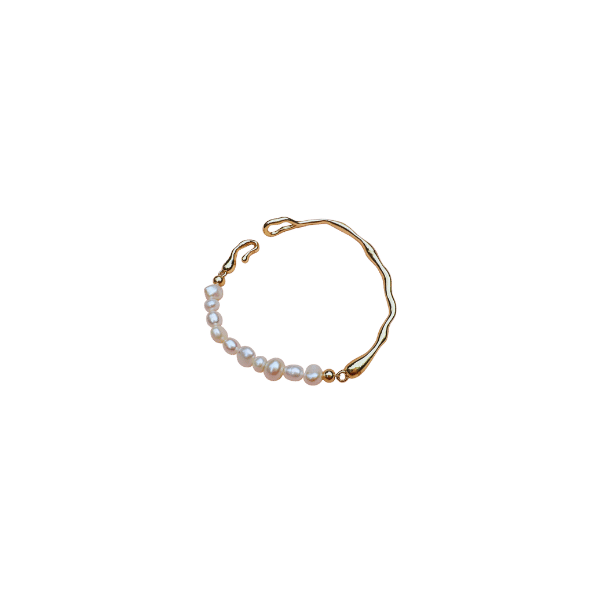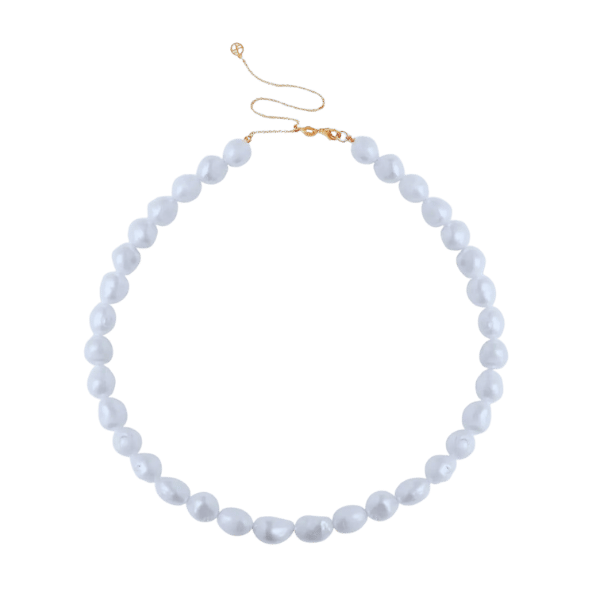


Pearl jewelry is no longer about choosing between a single pearl pendant or a classic pearl strand necklace. Today, pairing a pearl pendant with a pearl strand has become one of the most elegant and versatile styling approaches in modern jewelry.
The strand provides structure and rhythm, while the pendant adds focus and individuality. Together, they create a look that feels timeless, refined, and effortlessly modern.
Key Takeaways
-
Pearl pendants and pearl strand necklaces naturally complement each other.
-
Layering adds elegance without looking heavy, formal, or outdated.
-
This pairing works for casual, professional, and special-occasion outfits.
-
Classic and contemporary pearl styles both fit this combination.
-
A well-chosen pendant adds personality to a traditional strand.
Pearl Jewelry Trends: Why This Pairing Feels So Right
Modern pearl trends focus on layering, contrast, and personal expression. Instead of wearing pearls as perfectly matched sets, more people are mixing different pearl elements to create depth and balance.
The New Role of the Pearl Pendant
Pearl pendants are no longer just subtle accents. They now act as a visual anchor:
-
Single pearls on delicate chains
-
Baroque pearl pendants with organic shapes
-
Pearls paired with gold, silver, or mixed metals
When layered with a pearl strand necklace, the pendant naturally draws the eye without overpowering the look.
Why Pearl Strands Are the Perfect Base
Pearl strand necklaces remain timeless because they frame the neckline evenly. When paired with a pendant, they:
-
Balance asymmetry from modern designs
-
Add elegance and continuity
-
Make layered styling feel intentional
Tip: Keep the strand simple and let the pendant tell the story.
Bold And Fresh Pearl Styling Ideas
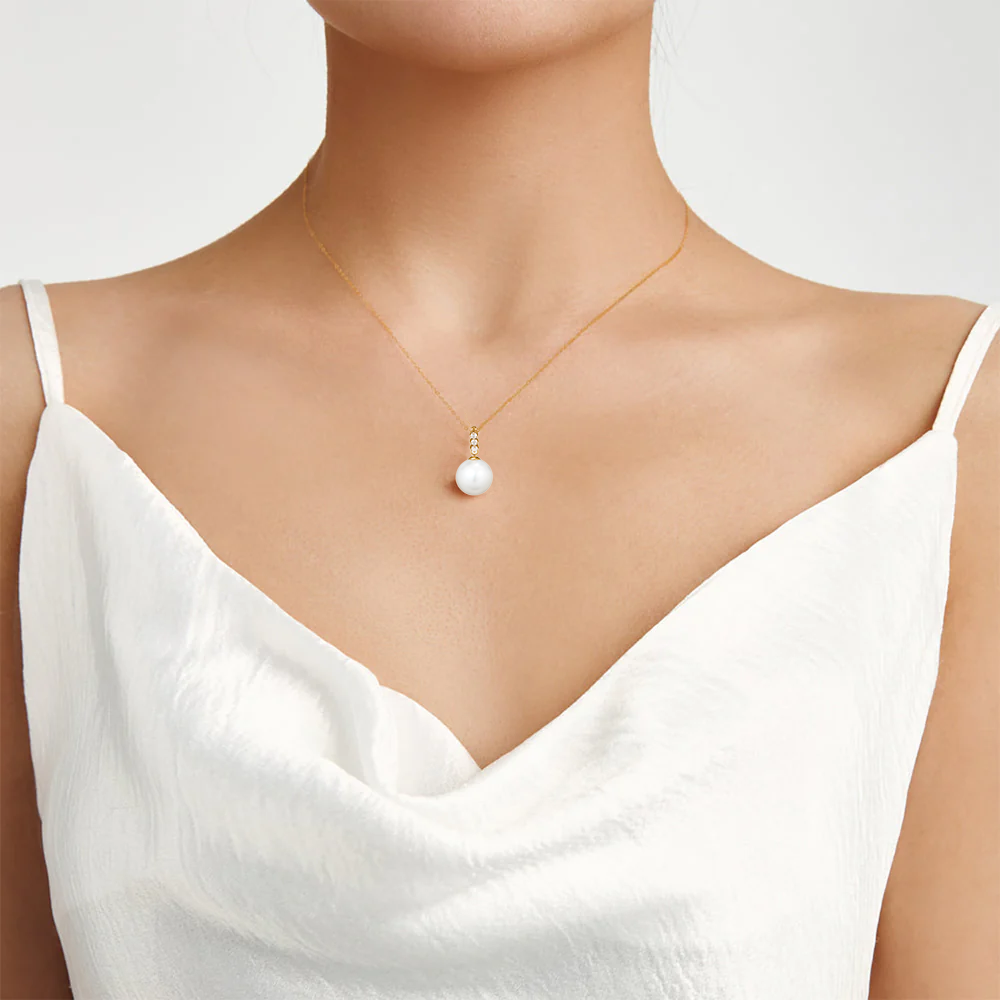
Contemporary pearl styling is about contrast rather than uniformity. A strand creates a clean, classic rhythm, while a pendant introduces a focal point. The result looks polished without feeling “too dressed up.”
|
Styling Element |
Effect |
|---|---|
|
Pearl strand + pendant |
Balanced and elegant |
|
Different necklace lengths |
Adds visual depth |
|
Mixed pearl shapes |
Creates modern character |
|
Gold or silver accents |
Refined contrast |
Oversized Pendants with Classic Strands
A bold pearl pendant layered over a classic strand creates instant sophistication. The clean rhythm of the strand highlights the pendant instead of competing with it.
Adding Metal Chains for Dimension
Inserting a thin gold or silver chain between the strand and the pendant creates spacing and keeps the look modern rather than formal.
Tip: Vary lengths by at least 2–3 cm so each layer remains visible.
Perfectly Imperfect Jewelry Trend
The rise of baroque and irregular pearls has made pendant-and-strand layering even more expressive. A uniform strand brings harmony, while a baroque pendant brings personality.
Baroque Pearl Pendants
Baroque pearls introduce organic shapes and texture. When paired with a uniform strand, they add movement and individuality—without losing elegance.
Tip: Try a baroque pendant with a classic round-pearl strand for a look that feels both timeless and current.
Mixed Metals and Asymmetry
Yellow gold, white gold, or mixed metals soften the formality of pearls. Asymmetrical designs feel intentional when anchored by a structured strand.
|
Design Choice |
Why It Works |
|---|---|
|
Baroque pendant |
Adds texture and uniqueness |
|
Mixed metals |
Keeps pearls looking modern |
|
Asymmetry |
Feels intentional with a strand “base” |
Styling Your Pearl Strand Necklace
You might wonder how to make this pairing work in real life. The good news: you can style a pearl strand and a pearl pendant for almost any mood—classic, casual, or contemporary.
Classic Meets Contemporary
Start with a classic white pearl strand. Add a single pearl pendant on a fine chain, keeping the pendant slightly longer than the strand. This creates a clean layered silhouette.
-
Choose a princess-length strand for everyday versatility.
-
Keep the pendant chain delicate so the pearl remains the focal point.
-
Match metal tones for a clean look, or mix intentionally for modern contrast.
Tip: If your strand sits at 16–18 inches, try a pendant chain at 18–20 inches for a natural “drop.”
Casual And Denim Pairings
Pearls elevate everyday outfits effortlessly. Wear your strand and pendant with a tee, knitwear, or a denim jacket for an easy, polished look.
-
Layer pearls over a simple crew-neck tee for instant refinement.
-
Pair with denim to balance “soft” and “structured.”
-
Choose smaller pearls or a lighter pendant for daily comfort.
Note: Soft, flowing fabrics like silk or chiffon also pair beautifully with layered pearls.
Unisex And Genderless Looks
Modern pearl styling celebrates everyone. Keep designs minimal and let clean lines do the work:
-
Pair a strand with a tailored blazer for a sharp silhouette.
-
Layer a simple pendant over an oversized shirt for relaxed confidence.
-
Mix pearls with chunky chains for a bold, contemporary edge.
Tip: There are no rules—try new combinations and keep what feels like “you.”
Choosing Your Signature Combination
Picking the right pendant-and-strand pairing helps you build a signature look that you’ll reach for often. Use this quick checklist:
|
Factor |
What to Look For |
|---|---|
|
Pearl type |
Akoya for classic shine, Freshwater for versatility, Baroque for personality |
|
Pendant size |
Smaller for daily wear, larger for statement styling |
|
Metal tone |
Match for a clean look, contrast for modern edge |
|
Length balance |
Pendant should sit lower than the strand |
|
Occasion |
Daily comfort vs. special-event impact |
Remember: Your signature pearl combination should feel natural, not forced.
Caring For Pearl Pendants And Strand Necklaces
Daily Care Tips
Pearls are durable enough for regular wear, but they stay brightest with gentle habits:
-
Put pearls on last, after perfume, lotion, or hairspray.
-
Take pearls off first when you get home.
-
Wipe pearls with a soft cloth after each wear.
-
Avoid pools, showers, and heavy sweating while wearing pearls.
Tip: A 10-second wipe after wear is the simplest way to keep pearls luminous.
Long-Term Maintenance
Layered necklaces can put more stress on strands, so small maintenance makes a big difference:
|
Maintenance Task |
How Often |
Why It Matters |
|---|---|---|
|
Wipe with soft cloth |
After each wear |
Removes oils and keeps luster bright |
|
Inspect thread & clasp |
Monthly |
Prevents accidental breakage or loss |
|
Restring strand |
Every 1–3 years |
Protects the strand from wear over time |
|
Store flat in a soft pouch |
Always |
Reduces friction and tangling in layered sets |
Pairing a pearl pendant with a pearl strand necklace is one of the most elegant and versatile ways to wear pearls today. The strand brings timeless structure, while the pendant adds a personal focal point. Whether your style is classic, casual, or contemporary, this combination adapts effortlessly—and always looks refined.
FAQ
Can I wear a pearl pendant with a pearl strand every day?
Yes. Choose a comfortable strand length and a lightweight pendant chain. Daily wear is easy as long as you avoid harsh chemicals and wipe pearls after wearing.
Do the pearls need to match exactly?
Not necessarily. Slight differences in size or shape can look even more modern. Matching luster and tone usually matters more than being identical.
Is this pairing suitable for formal occasions?
Absolutely. A refined strand with a single elegant pendant is timeless for weddings, dinners, and special events.
How do I keep layered pearl necklaces from tangling?
Use different lengths (at least 2–3 cm apart), keep one layer minimal, and store necklaces flat. When possible, clasp each piece separately rather than stacking clasps together.
What’s the easiest way to clean pearls at home?
Wipe with a soft, slightly damp cloth. Avoid soaking, soap, ultrasonic cleaners, or chemicals. Let pearls air dry flat before storing.