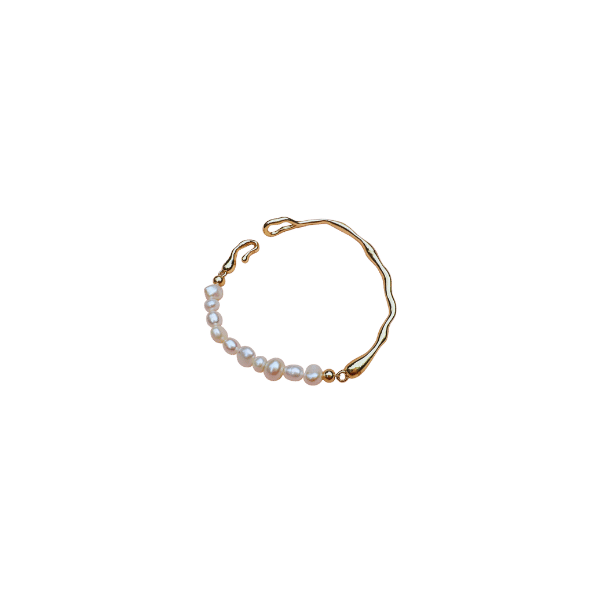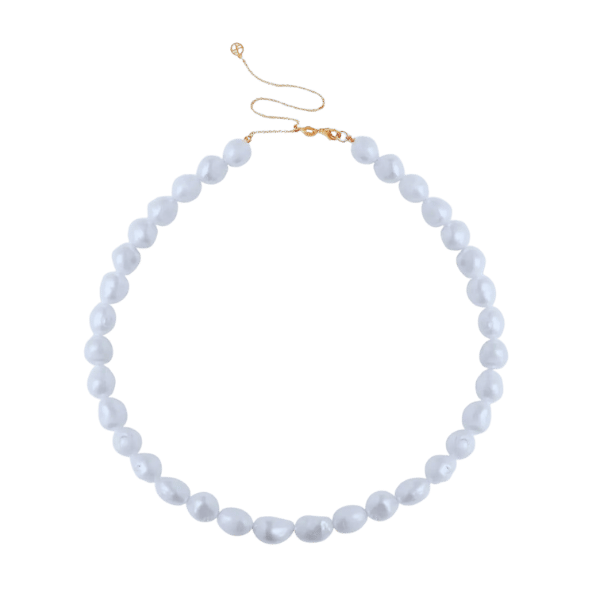


When people shop for pearl strand necklaces, the 6–7mm size keeps showing up as a best seller. It’s not because it’s “small” or “basic.” It’s because this range hits a sweet spot: elegant but easy to wear, classic but not overly formal, and premium-looking without the premium-only price.
Before we break down the style reasons, it helps to understand what makes pearls valuable. Here’s a quick table to show the factors that influence price and appearance:
|
Factor |
Influence on Value |
|---|---|
|
Quality |
Brighter luster and cleaner surfaces make pearls look more refined. |
|
Size |
Larger pearls typically cost more, but wearability matters just as much. |
|
Type |
Akoya, Freshwater, Tahitian, and South Sea differ in look, rarity, and price. |
|
Color |
Natural, balanced tones are more desirable than flat or overly dyed colors. |
|
Shape |
Round pearls are rarer and usually more valuable than off-round shapes. |
|
Nacre Quality |
Thicker nacre improves durability and long-term beauty. |
Key Takeaways
-
6–7mm pearls are one of the most wearable sizes for daily jewelry.
-
This size feels light and balanced, not heavy or overly formal.
-
It works across age groups, outfits, and most neckline styles.
-
It offers excellent value compared to jumping into larger sizes.
-
It’s one of the best choices for a first pearl strand necklace.
Pearl Strands: Types and Varieties
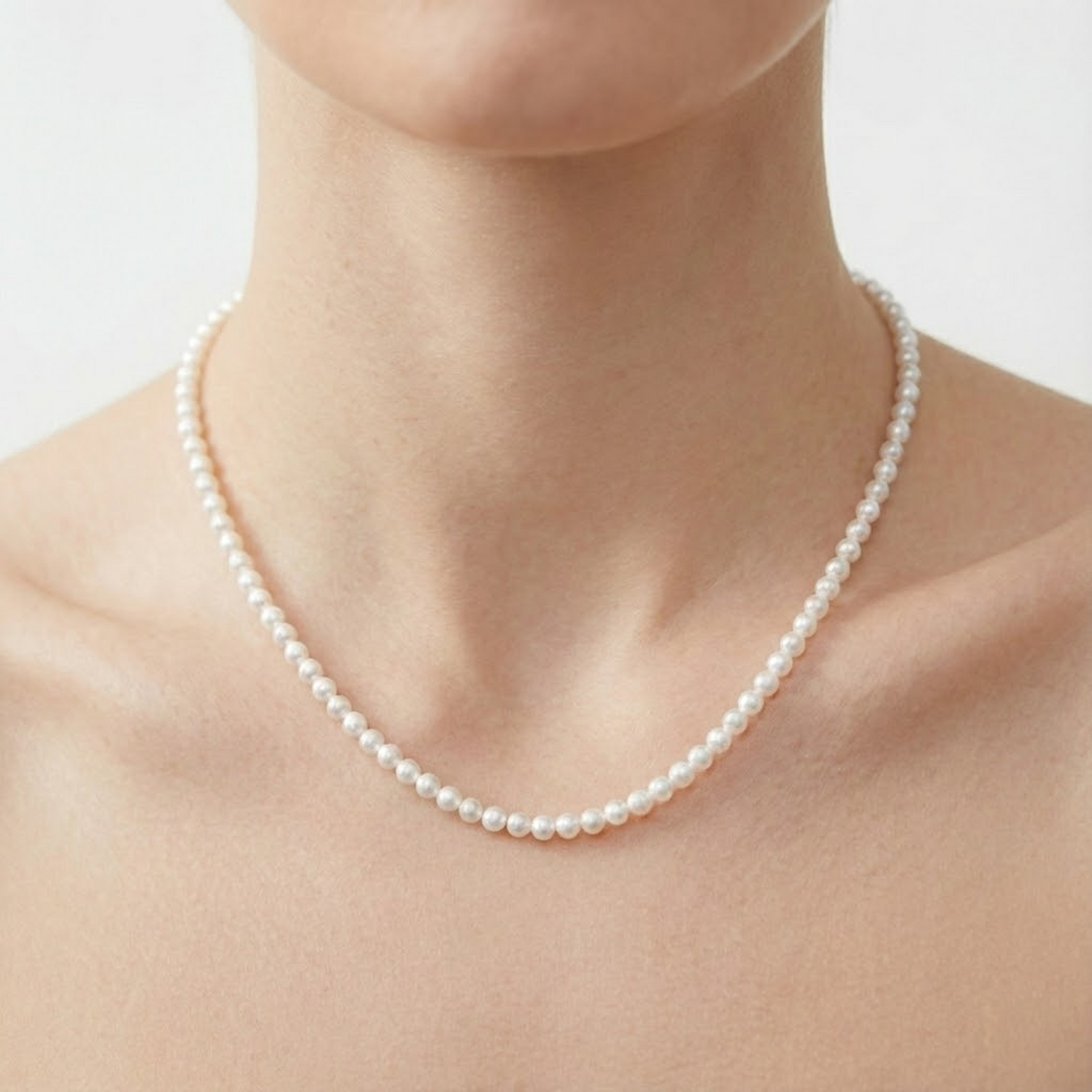
The 6–7mm size is most common (and most popular) in Akoya and Freshwater strands. Here’s a quick comparison of the main pearl types you’ll see in necklaces:
|
Pearl Type |
Characteristics |
Size Range |
|---|---|---|
|
Akoya Pearls |
Classic white, high luster, often very round |
6mm to 9mm |
|
Tahitian Pearls |
Darker tones like charcoal and peacock; bold look |
8mm to 14mm |
|
Freshwater Pearls |
Affordable, wide color range, great for layering |
5mm to 12mm |
|
South Sea Pearls |
Largest and most luxurious; soft glow |
10mm to 16mm+ |
Akoya Pearls
If you want a traditional, polished strand, Akoya pearls are the classic choice. A 6–7mm Akoya strand looks refined and timeless, while staying comfortable for daily wear.
Freshwater Pearls
Freshwater pearls are popular because they offer more variety in shape and color at a friendly price. In 6–7mm, they are especially wearable and easy to style with casual outfits or layered jewelry.
South Sea Pearls
South Sea pearls are typically much larger and cost significantly more. They’re a luxury statement, but not usually what people choose for everyday comfort.
Tahitian Pearls
Tahitian pearls are known for darker, dramatic colors and typically start at larger sizes. They’re striking, but less common in the 6–7mm range.
Tip: If you want the most versatile “first strand,” start with 6–7mm Akoya or premium Freshwater pearls. This size blends into daily life effortlessly.
Pearl Strand Styles and Lengths
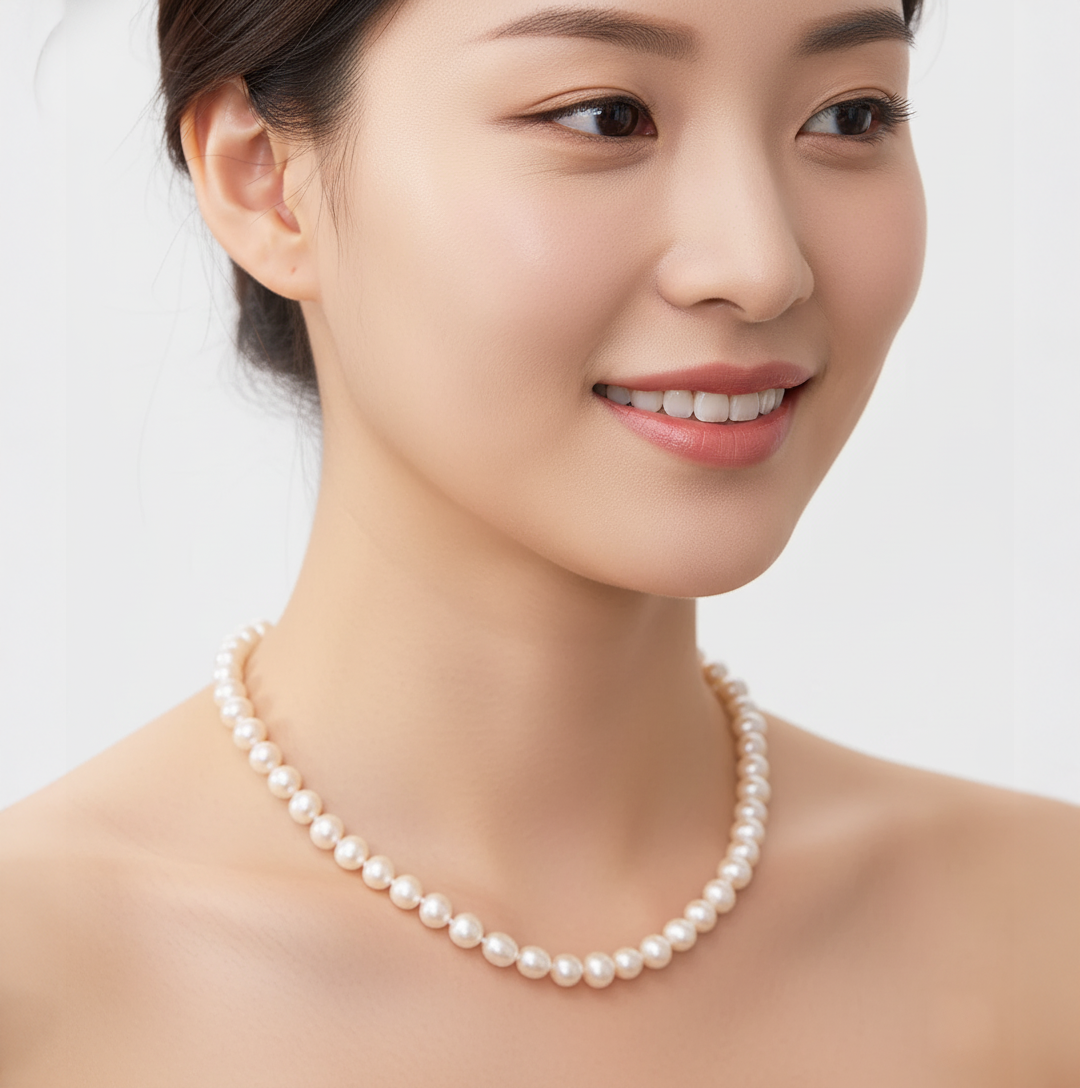
6–7mm strands are popular because they fit into the most wearable necklace lengths and styles. They sit beautifully on the neck without feeling bulky.
Choker and Princess Lengths
These two lengths are the most loved choices for everyday pearl strands:
-
Choker (16"): Fresh and youthful, great with open necklines.
-
Princess (18"): The most versatile length, works with almost anything.
Tip: If you want one strand that works for workwear, casual outfits, and special occasions, choose a 6–7mm Princess length.
Matinee, Opera, and Rope
Longer strands create more styling options. In 6–7mm, longer lengths still look elegant because the pearls remain balanced and light.
-
Matinee: Great for layering and day-to-night styling.
-
Opera: Elegant with higher necklines.
-
Rope: Allows knots, wraps, and multiple styling options.
Single vs. Multi-Strand
Most people choose a single strand in 6–7mm because it looks clean and timeless. Multi-strand styles feel more formal and require more care to avoid tangling.
Here’s a simple guide by age group:
|
Age Group |
Pearl Type |
Recommended Size |
|---|---|---|
|
16–30 years |
Akoya / Freshwater |
6.5–7.5mm |
|
30 years and up |
Akoya |
7.0–8.0mm |
|
Luxury Choice |
Tahitian / South Sea |
9.0mm+ |
Note: 6–7mm is popular because it feels “right” for daily life—noticeable, but never overwhelming.
Choosing the Best Pearls: Quality and Size
For 6–7mm strands, quality matters even more than size. A bright, clean 6–7mm strand often looks more refined than a larger strand with average luster.
Luster and Surface
Luster is the glow and clarity you see on the pearl surface. Surface quality refers to how clean and smooth the pearls look.
|
Grading System |
Description |
|---|---|
|
A–AAA |
Evaluates surface quality, luster, and shape. |
|
A–AAAA |
Stricter standards for blemishes and shine. |
|
GIA Style |
Describes pearls by size, color, luster, surface, nacre, and matching. |
Tip: Hold pearls under light. If you can see a crisp reflection, you’re looking at strong luster—this is what makes 6–7mm pearls look “expensive.”
Shape and Matching
Perfectly round pearls are rare and more valuable. But slightly off-round pearls can still look beautiful—especially in 6–7mm, where the look stays delicate.
|
Pearl Shape |
Value Impact |
|---|---|
|
Round |
Most valuable due to rarity and symmetry. |
|
Off-round / oval |
Great value if luster is strong and matching is good. |
|
Matching |
Better matching increases a strand’s polished look. |
Note: If you want to save money, prioritize luster and matching over “perfectly round.” In 6–7mm, the overall look stays elegant.
Pearl Size and Color
One reason 6–7mm is so popular is that it looks balanced on the neck and fits most wardrobes. Here’s a quick guide:
|
Size (mm) |
On-Neck Look |
Common Pearl Type |
Typical Price Trend |
|---|---|---|---|
|
6.0–6.5mm |
Delicate and Dainty |
Akoya, Freshwater |
$ |
|
6.5–7.0mm |
Classic, Balanced |
Akoya, Freshwater |
$$ |
|
7.0–7.5mm |
Classic Everyday |
Akoya, Freshwater |
$$ |
|
8.0mm+ |
Statement / Bold |
Tahitian, South Sea, larger Akoya |
$$$+ |
Color also affects style. Classic white pearls stay popular because they match everything. Soft overtones (pink, silver, cream) can add warmth without looking flashy.
Tip: For maximum wearability, choose 6–7mm pearls with strong luster and a natural, even color tone.
Common Misconceptions
|
Misconception |
Explanation |
|---|---|
|
Bigger is always better |
Not always. 6–7mm can look more refined and feels more wearable. |
|
Pearls are only for formal looks |
6–7mm strands pair easily with casual outfits and modern layering. |
|
Certificates guarantee quality |
Visual inspection (luster, surface, matching) still matters the most. |
How to Evaluate Pearls Like a Pro
You don’t need to be a jeweler. Use this checklist:
-
Look for bright, mirror-like luster.
-
Check surfaces: tiny marks are normal; large blemishes reduce value.
-
Make sure pearls match in size and tone across the strand.
-
Pick size based on how often you’ll wear it—6–7mm is the easiest daily choice.
Note: The reason 6–7mm is so popular is simple—when luster and matching are strong, it looks polished in real life, not just in photos.
Budgeting for Pearl Strands
Price Ranges by Type and Size
Here’s a simplified view of how type and size influence budget:
|
Type of Pearl |
Average Size (mm) |
Price Range |
|---|---|---|
|
Akoya |
6–7 |
$$ |
|
Freshwater |
6–7 |
$–$$ |
|
Tahitian |
8–14 |
$$$ |
|
South Sea |
10–16+ |
$$$+ |
Getting the Best Value
-
Decide how often you’ll wear the necklace (daily vs. special events).
-
Prioritize luster over size—especially in 6–7mm.
-
Compare matching, clasp quality, and strand construction.
-
Choose a type that fits your lifestyle: Akoya for classic, Freshwater for flexibility.
Tip: If you want the “best value” pearl strand, 6–7mm is often the smartest place to start—premium look, wearable size, and less price jump.
Affordable Alternatives
-
Freshwater pearls in 6–7mm for daily wear.
-
Shell pearls for durability and budget-friendly styling.
-
Mixed materials (pearls + metal) for a modern look.
Choosing and Styling Pearl Strands
Matching Pearls to Personal Style
6–7mm strands are popular because they work across wardrobes: minimalist, classic, modern, and even edgy layering. They don’t “take over” an outfit.
-
Choose white/cream for the most versatility.
-
Pick warm overtones if you wear gold often; cooler tones if you wear silver.
-
Try layering with a chain to make pearls feel modern.
Pearls for Everyday and Special Occasions
-
Work / daily: single 6–7mm strand (Princess length).
-
Casual days: choker styling or layered with simple chains.
-
Events: add matching earrings or stack with longer strands.
Coordinating with Outfits and Jewelry
|
Styling Tip |
How to Use It |
|---|---|
|
Mix necklace styles |
Layer a 6–7mm strand with a thin chain for a modern look. |
|
Balance accessories |
Pair pearls with simple studs or small hoops for everyday wear. |
|
Play with lengths |
Use choker + princess layering without bulk. |
|
Keep it wearable |
6–7mm stays elegant even with casual outfits like sweaters or tees. |
Tip: 6–7mm pearls are popular because they fit real life—comfortable enough for daily wear, polished enough for photos and events.
A pearl strand doesn’t need to be oversized to feel luxurious. The reason 6–7mm pearl strand necklaces are so popular is that they balance presence and wearability better than almost any other size. If you want one strand you’ll truly wear often, this range is a timeless and practical choice.
FAQ
Can I wear a 6–7mm pearl necklace every day?
Yes. This size is lightweight and comfortable, which is why it’s often chosen as an everyday strand. Just put pearls on last and take them off first to protect them.
Does 6–7mm look too small?
Not at all. With strong luster and good matching, 6–7mm pearls look refined and intentional—especially in classic lengths like 16–18 inches.
What length is best for a 6–7mm strand?
The most versatile is Princess length (18"). If you want a modern, youthful look, try a Choker (16").
How do I clean my pearl necklace at home?
Wipe pearls with a soft, damp cloth after wearing. Avoid soaking, harsh cleaners, or ultrasonic cleaning. Let the necklace dry flat before storing.
What is the best way to store pearls?
Store pearls in a soft pouch or separate compartment. Keep away from chemicals and sharp jewelry. Pearls need air, so avoid sealing them in plastic.
How do I know if pearls are real?
Real pearls usually have slight natural variation. If gently rubbed against teeth, real pearls feel slightly gritty, while fake pearls feel smooth. For certainty, consult a jeweler.