

Pearls have captivated people for thousands of years with their soft glow, organic beauty, and timeless elegance. Unlike other gemstones, pearls are created by living mollusks, making each one naturally unique. Whether you are new to pearl jewelry or looking to deepen your understanding, this guide will walk you through the different types of pearls, their characteristics, and how to choose the best type of pearl for your style and budget.
At JescoJes, we believe pearls are more than jewelry—they are expressions of refinement, confidence, and individuality. Understanding pearl varieties helps you select pieces that truly suit you.
Introduction to Pearls
Pearls are a timeless and elegant gemstone, available in various forms such as freshwater pearls, cultured pearls, and natural pearls. Each pearl is formed when a mollusk secretes layers of nacre around an irritant, creating a luminous gem composed mainly of calcium carbonate.
Because of differences in environment, mollusk species, and cultivation methods, pearl jewelry comes in many styles, colors, and price ranges. Understanding the different pearl types allows buyers to make informed decisions when investing in pearl necklaces, earrings, bracelets, or rings.
Pearls can form in both saltwater and freshwater environments, which plays a major role in their appearance, value, and durability.
Types of Pearls
When people ask about the different types of pearls, they are usually referring to pearls categorized by origin and cultivation method. Broadly, pearls fall into saltwater pearls and freshwater pearls, with further classification based on size, shape, and color.
Here are the 9 types of pearls most commonly discussed in the jewelry world:
- Akoya Pearls
- Freshwater Pearls
- Tahitian Pearls
- South Sea Pearls
- Natural Pearls
- Keshi Pearls
- Mabe Pearls
- Coin Pearls
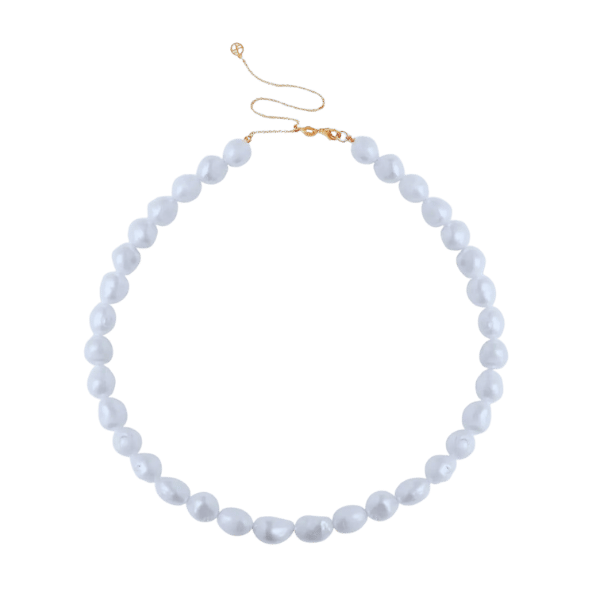
- Baroque Pearls
Each of these pearl types offers a unique aesthetic, making it easier to find something that matches your personal taste.
Saltwater Pearls
Saltwater pearls are grown in ocean environments and are generally known for their high luster and more consistent round shapes. These pearls are often considered more luxurious and are commonly featured in fine jewelry collections.
Akoya Pearls
Akoya pearls are among the most classic and recognizable pearl types. Typically white or cream with rose or silver overtones, they are prized for their mirror-like luster and perfectly round shape. Akoya pearls are a popular choice for traditional pearl necklaces and bridal jewelry.
If you are wondering what is the best type of pearl for timeless elegance, Akoya pearls are often the answer.

Tahitian Pearls
Tahitian pearls are famous for their natural dark colors, ranging from charcoal gray to black, with green, blue, or purple overtones. These pearls make bold statement pieces and are ideal for those who prefer a modern, dramatic look.
South Sea Pearls
South Sea pearls are the largest and rarest of the saltwater pearls. Cultivated mainly in Australia, Indonesia, and the Philippines, they are known for their soft satin luster and colors such as white, silver, and golden. Due to their rarity and size, they are often considered the best type of pearl for luxury collectors.
Freshwater Pearls
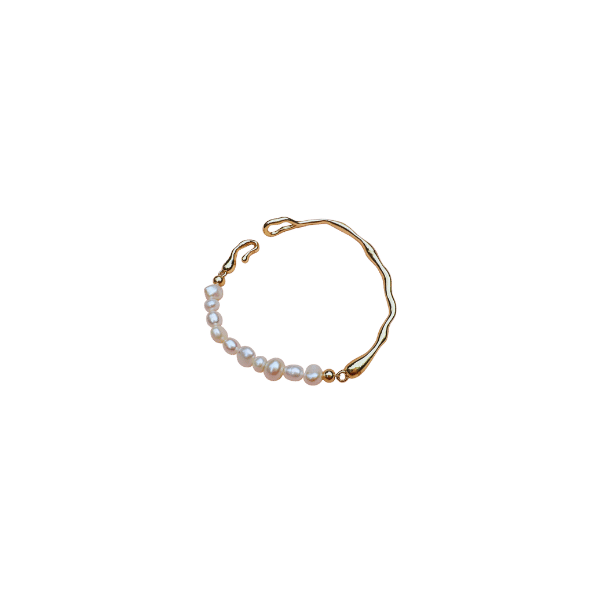
Freshwater pearls are cultivated in rivers and lakes, primarily in China. They are loved for their affordability, durability, and wide variety of shapes and colors.
Unlike saltwater pearls, freshwater pearls often form without a bead nucleus, allowing them to develop thicker nacre layers. This makes them especially suitable for everyday wear.
Freshwater pearls are available in white, pink, lavender, and even deeper natural tones. They are an excellent option for those exploring different types of pearls on a budget without sacrificing beauty.

At JescoJes, many of our versatile pearl designs feature high-quality freshwater pearls, making them perfect for both casual and formal styling.
Unique Types of Pearls
When discussing natural types of pearls, it is important to distinguish them from cultured pearls. Natural pearls form spontaneously in the wild without human intervention. Because of overfishing and environmental changes, natural pearls are extremely rare today.
These pearls are highly valuable and typically found only in antique jewelry or museum collections. While beautiful, they are not commonly used in modern commercial jewelry due to their scarcity.
Unique Pearl Types
Beyond the classic categories, there are several unique and artistic pearl varieties that appeal to collectors and designers.
Keshi Pearls
Keshi pearls are small, irregularly shaped pearls formed without a nucleus. They are known for their intense luster and organic appearance, making them popular in contemporary designs.
Mabe Pearls
Mabe pearls are hemispherical pearls grown against the shell of the mollusk. They are often used in earrings and pendants, offering a bold look with a smooth dome shape.
Coin Pearls
Coin pearls are flat and disc-shaped, prized for their modern aesthetic and high surface luster. They are ideal for fashion-forward jewelry styles.
Pearl Care and Maintenance
No matter which pearl type you choose, proper care is essential. Pearls are organic gems and require gentle handling.
- Avoid exposing pearls to harsh chemicals, perfumes, or cosmetics
- Clean pearls with a soft cloth and mild soap solution
- Never use ultrasonic or steam cleaners
- Store pearls separately to avoid scratches

Pearl Grading and Certification
Pearls are graded based on several factors:
- Luster
- Surface quality
- Shape
- Color
- Size
High-luster pearls with minimal surface imperfections are the most valuable. Reputable organizations such as the Gemological Institute of America (GIA) provide pearl grading and certification, which helps ensure authenticity and value.
Understanding grading standards makes it easier to compare different pearl types and choose confidently.
Buying Pearls: How to Choose the Best Type
When shopping for pearls, consider:
- The type of pearl that fits your lifestyle
- Whether you prefer classic or modern designs
- Your budget and intended use
If you are asking what is the best type of pearl, the answer depends on your needs:
- Akoya pearls for timeless elegance
- Freshwater pearls for everyday wear
- Tahitian pearls for bold statements
- South Sea pearls for luxury and prestige
At JescoJes, we curate pearl jewelry collections designed to highlight the natural beauty of each pearl type while maintaining exceptional craftsmanship.
Conclusion
Pearls remain one of the most elegant and versatile gemstones in the world. With so many types of pearls names and styles available, there is truly something for everyone.
By understanding the different types of pearls, including natural types of pearls and cultured varieties, you can make informed decisions and invest in jewelry that lasts a lifetime.
Whether you are drawn to the classic charm of Akoya pearls or the exotic allure of Tahitian pearls, JescoJes invites you to explore pearl jewelry that celebrates individuality, craftsmanship, and timeless beauty.