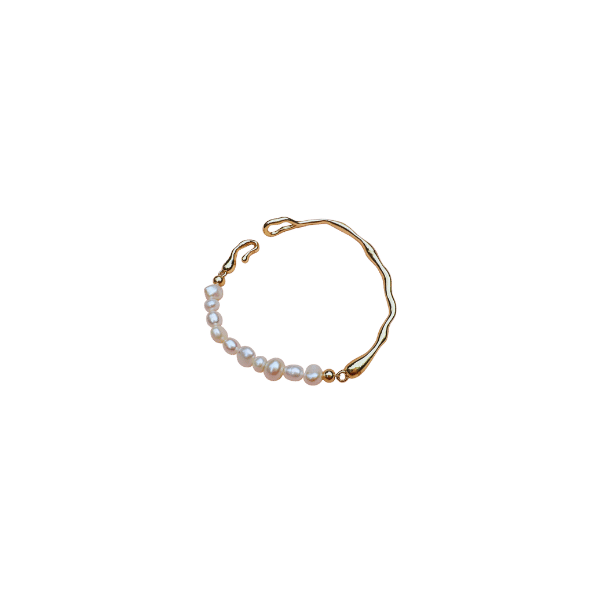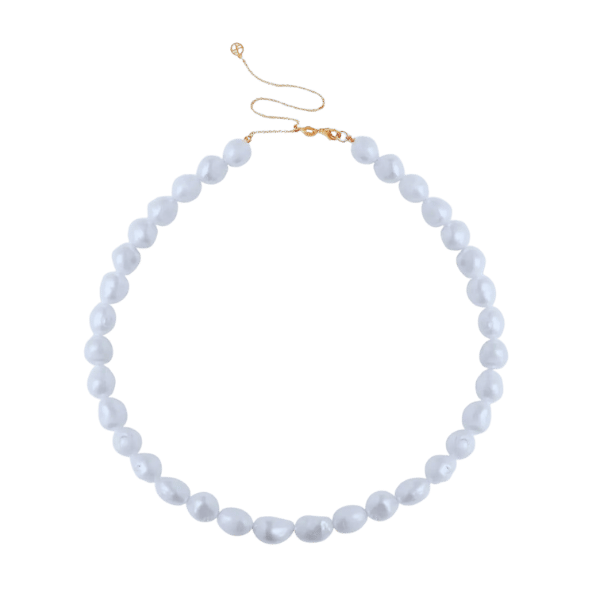


You want to know if your pearl necklace is genuine or just a clever imitation. Try simple at-home tests for real vs fake pearls, like checking the surface or feeling the weight. For complete confidence in quality and authenticity, choose trusted jewelers like JescoJes.
Understanding Pearl Types
When you look at pearl necklaces, you'll see several types. Each kind has its own story and special features. Let's break down the main types you'll find when shopping or browsing at places like JescoJes.
Natural pearls: Natural pearls come from oysters or mollusks in the wild. You won't find these easily because they form without any help from people. If you own a natural pearl, you have something rare. These pearls often have unique shapes and colors. You might notice tiny imperfections, which add to their charm.

Cultured pearls: Cultured pearls grow inside oysters or mollusks, but people help start the process. Most pearls you see today are cultured. They look beautiful and come in many shapes and sizes.
- Cultured pearls offer great value.
- They often look round and smooth.
- Jewelers use them in many designs.
Freshwater pearls: Freshwater pearls come from rivers and lakes. You'll see lots of shapes and colors. These pearls cost less than saltwater pearls. If you want a fun and affordable necklace, freshwater pearls are a smart choice.
Tahitian pearls: Tahitian pearls come from black-lipped oysters in French Polynesia. You'll spot their dark colors—black, gray, or green. These pearls look bold and elegant. If you want a necklace that stands out, Tahitian pearls are perfect.
Real vs Fake Pearls: Identification Methods
Trying to figure out real vs fake pearls can feel tricky, but you can do a lot at home. Let’s walk through some easy tests you can try right now. Remember, using more than one method gives you the best results. If you want to see genuine pearls, check out JescoJes for real examples.

Tooth Test and Texture
Pick up your pearl necklace and gently rub a pearl against the edge of your front teeth. Real pearls feel gritty or sandy. That's because their surface has tiny layers of nacre. Fake pearls usually feel smooth or slippery, almost like glass or plastic.
You can also roll the pearl between your fingers. Real pearls have a slightly rough texture. Fakes feel too perfect and slick.
Luster and Light
Hold your necklace under a bright light. Real pearls shine with a deep, rich glow. You'll see soft reflections that seem to come from inside the pearl. Fake pearls often look flat or glassy. Their shine sits only on the surface.
- Real pearls: Deep, mirror-like luster.
- Fake pearls: Dull or overly shiny, like plastic.
If you compare real vs fake pearls side by side, the difference in luster stands out.
Weight and Temperature
Pick up your necklace and notice the weight. Real pearls feel heavier than plastic imitations. They have a solid, cool touch when you first pick them up. Fakes, especially plastic ones, feel light and warm up quickly in your hand.
|
Test |
Real Pearls |
Fake Pearls |
|
Weight |
Heavier |
Lighter |
|
Temperature |
Cool at first touch |
Warm quickly |
If you're still unsure, try comparing your pearls to another necklace you know is real or fake.
Shape and Color
Look closely at each pearl. Real pearls rarely look exactly the same. You'll spot small differences in shape, size, and color. Some may be round, but others might be oval or slightly off-round. Fake pearls often look too perfect, with every bead matching exactly.
- Real pearls: Unique shapes and subtle color changes.
- Fake pearls: Uniform size, shape, and color.
Drill Holes
Check the holes where the pearls are strung. Real pearls have neat, small drill holes. You might see a bit of chipping or unevenness around the hole. Fake pearls often have larger, rougher holes. Sometimes you'll spot paint or coating flaking off near the hole on a fake.
- Real pearls: Clean, small holes with nacre visible.
- Fake pearls: Big, rough holes with possible peeling.
If you still have doubts, you can always ask a professional or shop at trusted stores like JescoJes to make sure you're getting the real thing.
Identifying Imitation Pearls
Spotting imitation pearls can be tricky, but you can learn to tell the difference with a few tips. Let's look at the most common types you might find when comparing real vs fake pearls.

High-quality imitation pearls
Some imitation pearls look almost perfect. You might see these in costume jewelry or fashion stores. They often have a smooth, shiny surface and look very round. If you hold them up to the light, you'll notice the shine sits on top instead of coming from deep inside. High-quality imitations can fool many people, so always check the texture and weight.
Plastic imitations and fake plastic pearls
Plastic pearls feel light and warm up quickly in your hand. They look shiny, but the shine is often too bright or fake-looking. If you tap them together, they sound dull. You might notice the drill holes look rough or uneven. Plastic pearls cost less, but they don't last as long as real ones.
- Plastic pearls: Light, warm, and often have large drill holes.
- Real pearls: Heavier, cool, and have neat holes.
Dyed pearls
Dyed pearls start as real or fake pearls. Makers add color to change their look. Sometimes the dye looks uneven or pools around the drill holes. You might see bright colors that don’t look natural. If you want pearls with natural color, check out the selection at JescoJes.
|
Type |
How to Spot |
|
Dyed Pearls |
Uneven color, bright hues |
If you want to learn more about real vs fake pearls, always compare several features and ask for expert advice.
Real vs Fake Pearls: Comparison and Buying Tips
Types of Pearls
You will see three main types of pearls when you shop. Natural pearls form in the wild without help from people. Cultured pearls grow inside oysters or mollusks with a little help from humans. Imitation pearls are man-made and usually come from glass or plastic. Each type has its own look and value.
Key Differences
You can spot the main differences between real and fake pearls by checking a few features. Here's a quick table to help you compare:
|
Feature |
Real Pearls |
Fake Pearls |
|
Surface |
Slightly rough, gritty |
Smooth, glassy, or plastic |
|
Luster |
Deep, glowing shine |
Flat or overly shiny |
|
Shape |
Not perfectly uniform |
Very uniform |
|
Weight |
Heavier, cool to touch |
Lighter, warms quickly |
|
Drill Holes |
Small, neat, nacre visible |
Large, rough, may peel |
You can use these clues to help with real vs fake pearls.
When to Get Professional Testing
Sometimes, you may still feel unsure. If you have a very expensive necklace or a family heirloom, you should ask a jeweler for help. Professionals use special tools to test pearls. They can give you a clear answer.
Buying Advice
You want to feel confident when you buy pearls. Always choose a trusted jeweler. JescoJes offers genuine pearl necklaces and expert advice. You can visit JescoJes to see their collection. Buying from a reputable source helps you avoid fakes and gives you peace of mind.
You can spot real pearls by checking texture, luster, weight, shape, and drill holes. Try a few tests together for the best results. Want peace of mind?
FAQ
How can you clean your pearl necklace safely?
Take a soft cloth and wipe each pearl gently. Do not use strong cleaners or chemicals. If you want more cleaning tips, Please visit How to Clean a Pearl Necklace.
Can fake pearls damage your skin?
Fake pearls almost never hurt your skin. If your skin gets red or itchy, stop wearing them. Real pearls from JescoJes are safe for people with sensitive skin.
Where should you buy real pearl necklaces?
Buy your necklace from a trusted jeweler. JescoJes sells real pearl necklaces. Go to jescojes.com for good quality and expert help.